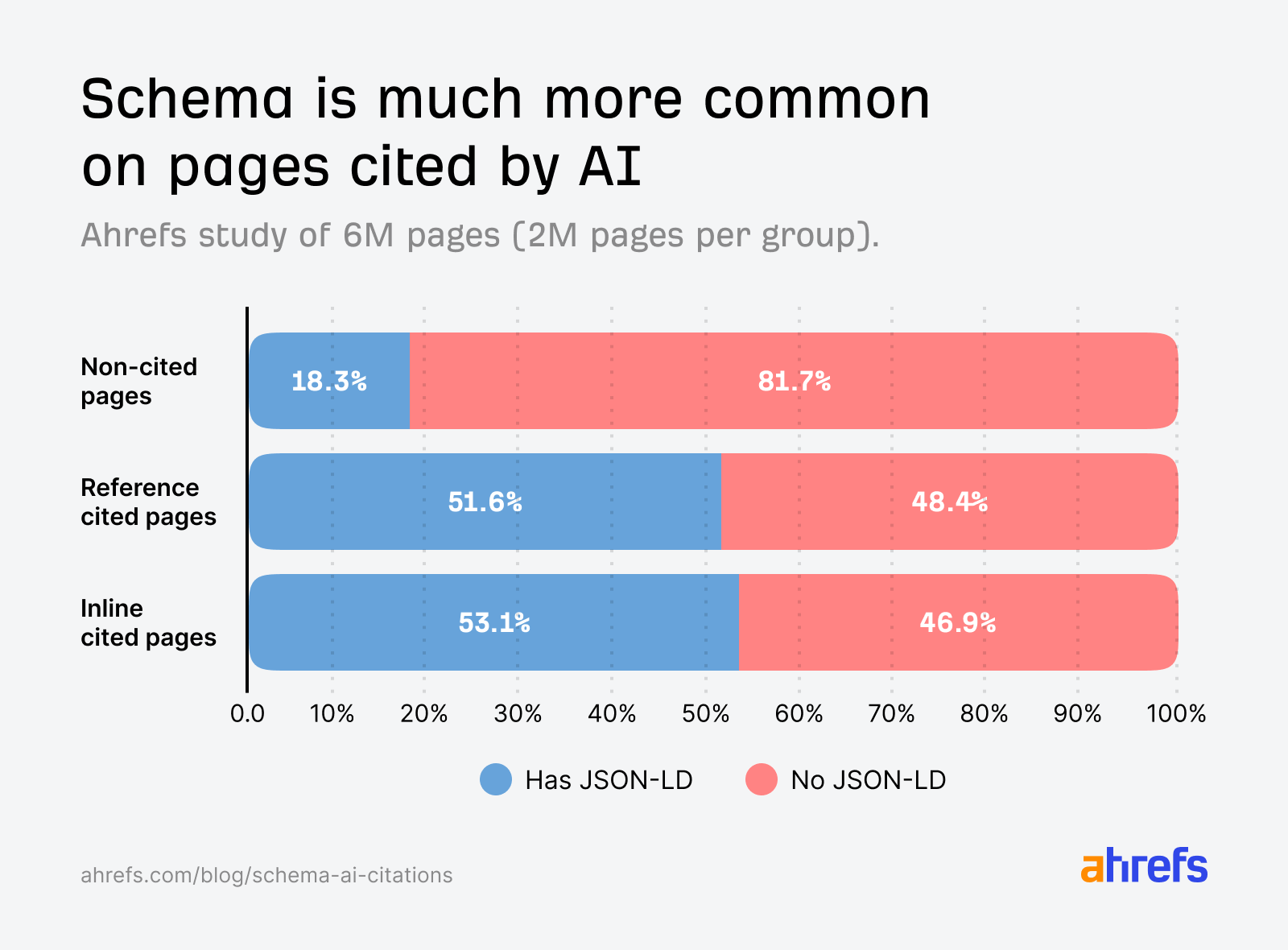
AI cited pages were almost three times more likely to have JSON-LD than non-cited pages.
That’s a big gap, and the kind of stat that gets shared in LinkedIn carousels and conference slides as proof that schema is an AI visibility lever.
But we weren’t satisfied with the data since it could easily have been correlation, not cause.
Schema markup tends to live on better-maintained, more technically sophisticated sites, and those same sites publish stronger content, build more authority, earn more links, and do all the other things that get pages cited.
Schema could be doing real work, but it could also just be riding the wave of every other signal.
So we couldn’t actually answer the question SEOs really care about: if I add schema to my page, will I get cited more by AI?
To find out, we ran a second study designed to isolate the effect of adding schema.
Here’s what we found.
She then retrieved the HTML history from our crawler database, labeled whether each URL contained <script type="application/ld+json">, and spotted the date that schema presence transitioned from “False” to “True”.
This left her with 1,885 pages that introduced JSON-LD between August 2025 and March 2026.
Finally, to analyze all of that data, she used Agent A, our new AI marketing agent.

For each page Xibieijia knew two key dates:
- The last day our crawler checked the page and found no JSON-LD
- The first day our crawler detected JSON-LD on the page
The day a page added JSON-LD is its treatment date.
Sidenote.
“Treatment” is the standard term for the moment a change is applied to something we’re measuring.
Xibeijia measured how many times each page was cited by Google AIO, Google AI Mode, and ChatGPT in the 30 days before and 30 days after the treatment date.
The tricky part of any study like this is seeing past noisy data.
Citations across all of AI search were moving during this period; AI Overviews were contracting, AI Mode was exploding.
If Xibeija had just done a simple before-and-after comparison, it would have been measuring the platform trend, not the schema effect.
So for each treated URL she picked 3 control URLs (from different domains, with similar pre-period citation levels) that had never added JSON-LD.
Comparing two groups of pages that were getting cited at the same rate before—where the only main difference was that one group added schema—made it easier to isolate what schema actually did.
- Pick 5–10 test pages where you plan to add JSON-LD. Ideally pages already getting some AI citations, so you have a baseline (pages with zero citations make it harder to tell whether schema did nothing, or whether the page just wasn’t going to get cited either way). You can check this in the Cited Pages report.
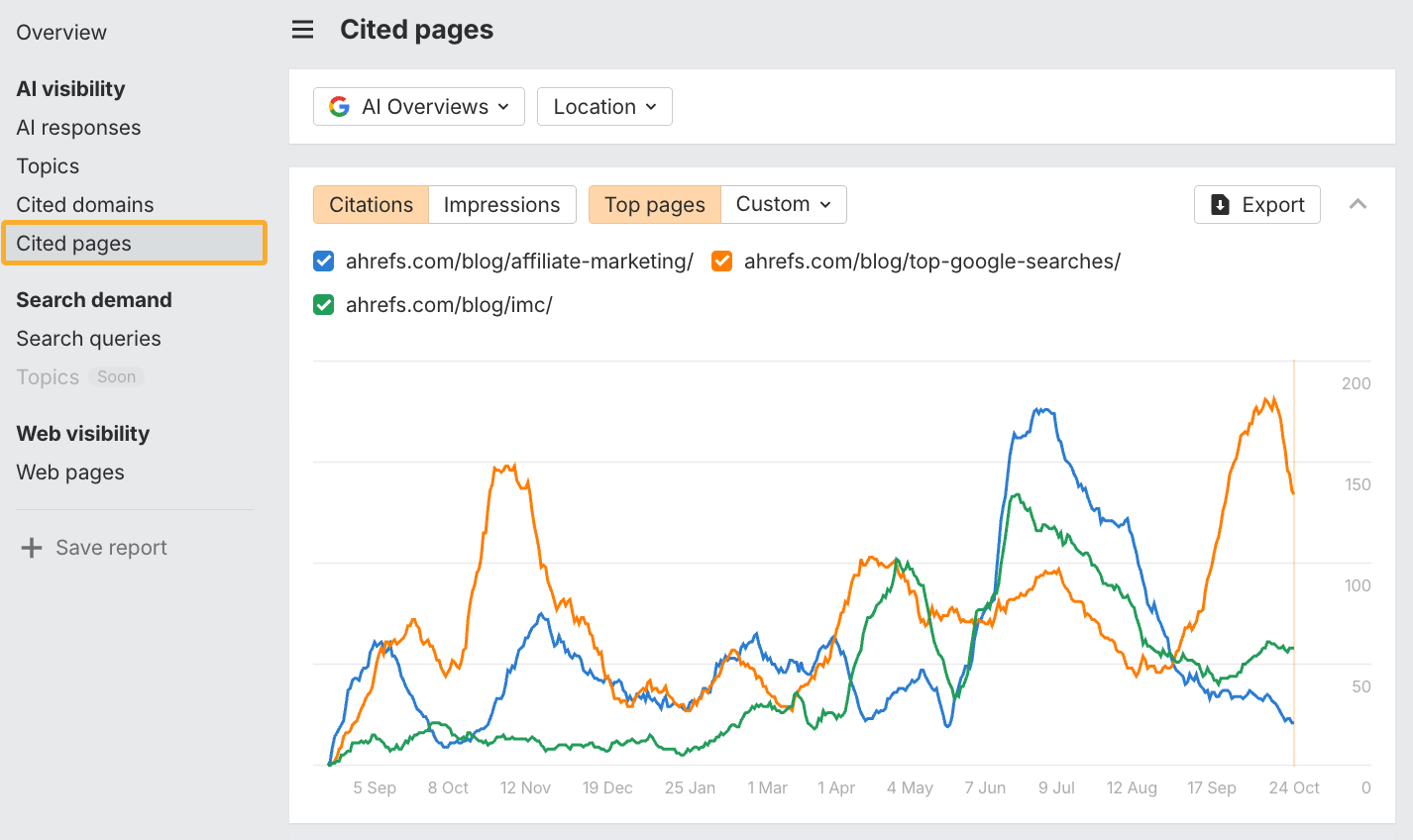
- Pick 5–10 control pages with similar citation levels that you’re not adding schema to. This is what separates “schema did something” from “AI Overviews shifted for everyone that month.”
- Record baseline citations for both groups across AI Overview, AI Mode, and ChatGPT in Brand Radar. Just apply URL filters to isolate those citation numbers.
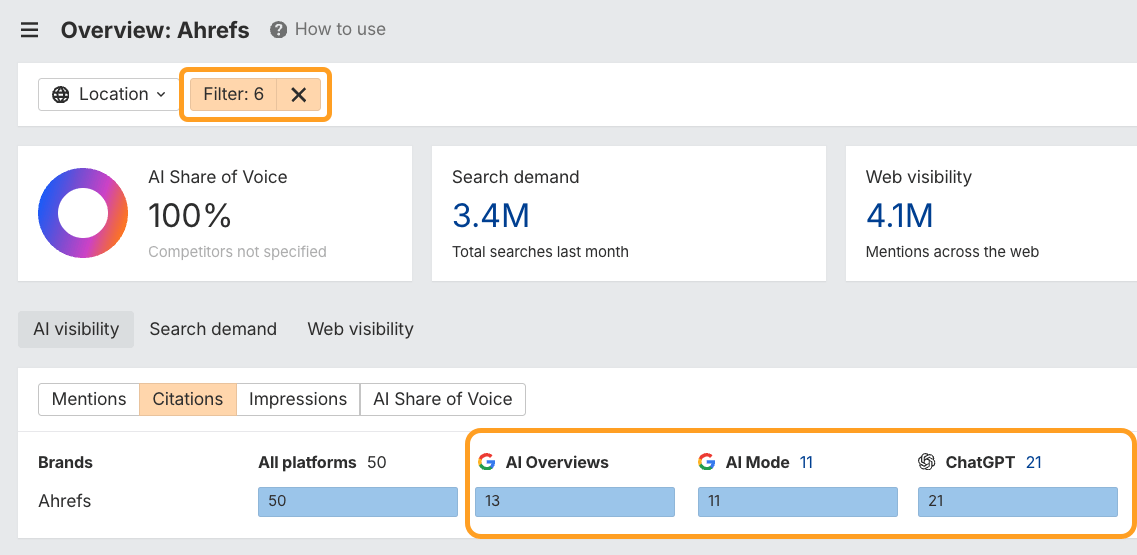
- Add schema to your test pages and note the date. Don’t change anything else on those pages during the test window.
- Compare both groups after 30 days (or longer if you can). The question is: “did treated pages go up more than control pages did?”
If both groups moved by similar amounts, that’s more to do with the platform trend than the schema.
But if treated pages outperformed controls, that’s a sign schema is having a positive impact on citations.
If you run this on your own pages and get a different result to ours, let us know.
Similar Posts
Introduction to VMware vSAN and How it has Addressed Traditional Arrays Challenges
VMware announced vSAN in vSphere 5.5 back in 2013 in beta edition and since then the…
NSX-T 3.0 Edge Cluster Automated Deployment and Architecture in VCF 4.0 – Part 2
Welcome back. We are now at Part 2 of NSX-T 3.0 Edge Cluster Automated Deployment and…
How to Recover VM in vSphere Replication 8 Step by Step
In this series of vSphere Replication 8, we have learned about How to Install and configure…
Downloading and Installing Kali Linux on VMWare Fusion with Apple Silicone (2025)
In this video we are going to install Kali Linux on a new Mac Mini M4…
vDefend Security Services Platform and Security Segmentation – Part 3 – NSX Onboarding and Feature Activation
Welcome back!!! We are at Part 3 of the blog series on vDefend Security Services Platform…
My Python Project – NSX ALB Virtual Service Migrator – Release update v1.2 – Part 1
It’s been few months since I made updates to my first Python project called NSX Advanced…


